Product Overview
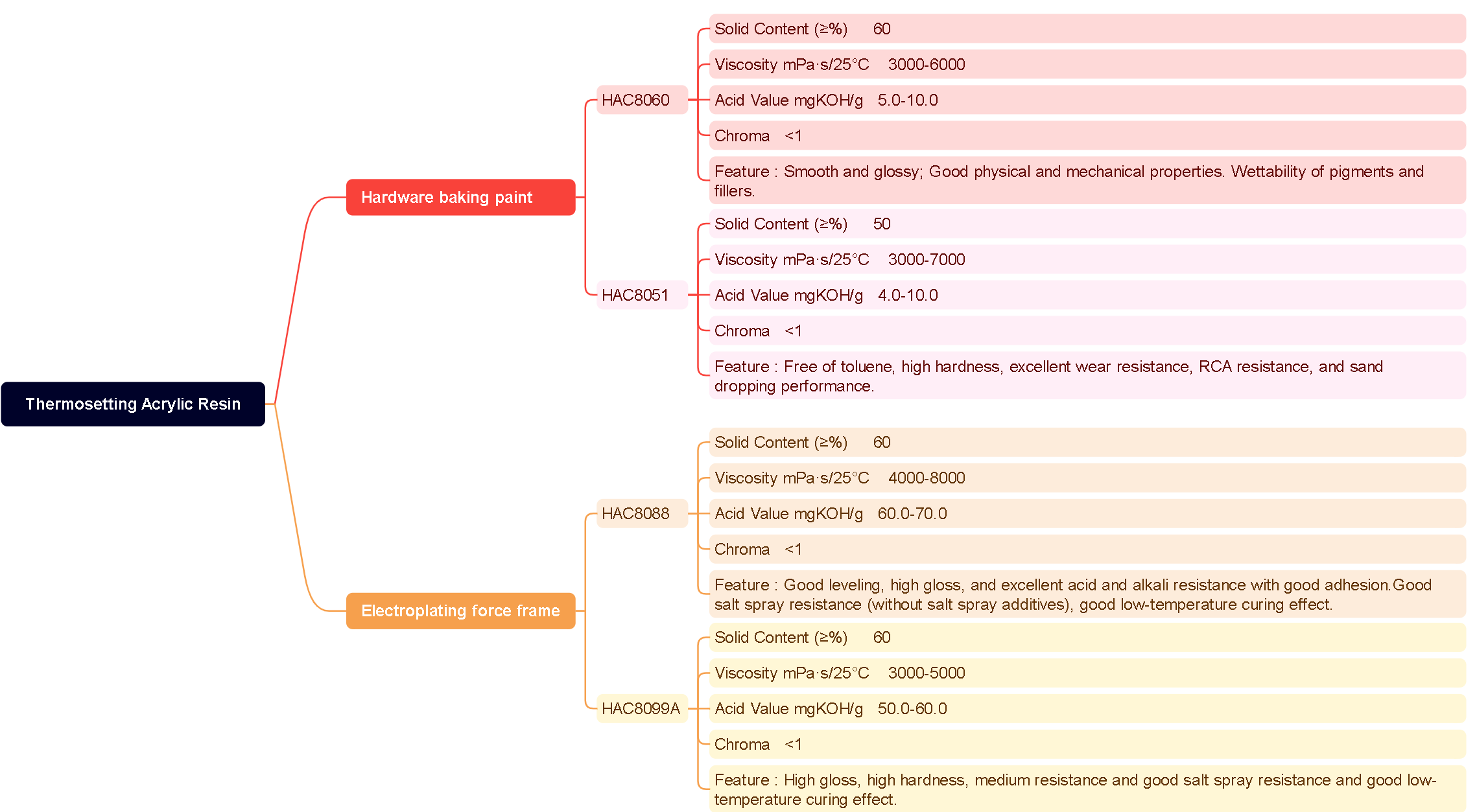
The thermal-setting acrylic resins are composed of carefully selected acrylic monomers, synthesized through precise polymerization processes to ensure consistent quality and performance. To tailor the resins for specific coating requirements in industrial coatings,automotive machinery, and anti-corrosion coatings applications, they are often blended with compatible solvents, specialized catalysts, and functional additives—these components work in synergy to enhance properties like curing efficiency, flowability, and storage stability. A key characteristic of these resins is their cross-linkable molecular structure: the presence of reactive functional groups (such as hydroxyl, carboxyl, or epoxy groups) enables the formation of a dense three-dimensional network during the thermal curing process. This cross-linked structure is fundamental to elevating the performance of coatings formulated with the resin, as it directly contributes to attributes like hardness, chemical resistance, and adhesion—all critical for meeting the rigorous demands of industrial, automotive machinery, and anti-corrosion coating scenarios.
Thermosetting Acrylic Resin
--------------占位---------------
Key Features
-
-
-
◊ High Hardness: Provide coatings with excellent hardness, ensuring good scratch and abrasion resistance. This is crucial for industrial applications (such as heavy-duty industrial equipment) where the coated surfaces are likely to be subjected to mechanical stress, and for automotive machinery parts that come into contact with other components during operation.
- ◊ Superior Adhesion: Demonstrate strong adhesion to various substrates, including metals (a common material in industrial machinery and automotive parts). This strong bond is essential for automotive machinery and anti-corrosion applications, as it prevents the coating from peeling or flaking off even under harsh environmental conditions, thus extending the service life of the coating and the underlying substrate.
- ◊ Outstanding Chemical Resistance: Resistant to a wide range of chemicals, such as acids, alkalis, and solvents commonly encountered in industrial settings (e.g., chemical processing plants) and automotive maintenance. This property ensures that coatings formulated with these resins maintain their integrity and protective function over time.
- ◊ Good Heat Resistance: Can withstand high temperatures without significant degradation of performance—an essential attribute for automotive machinery parts (like engine components) that operate at elevated temperatures, as well as industrial equipment exposed to heat during manufacturing processes.
-
| Parameter |
Typical Value |
Unit |
Notes |
| Viscosity (25°C, Brookfield RV) |
50-60 |
mPa·s |
Spindle 3, 20 rpm |
| Acid Value |
4.0-70.0 |
mgKOH/g |
/ |
| Chroma |
<1 |
– |
/ |
| Shelf Life |
12 |
months |
Stored in sealed containers at 5–35°C |
| Storage |
Cool, dry place |
– |
Avoid direct sunlight and moisture |
Applications
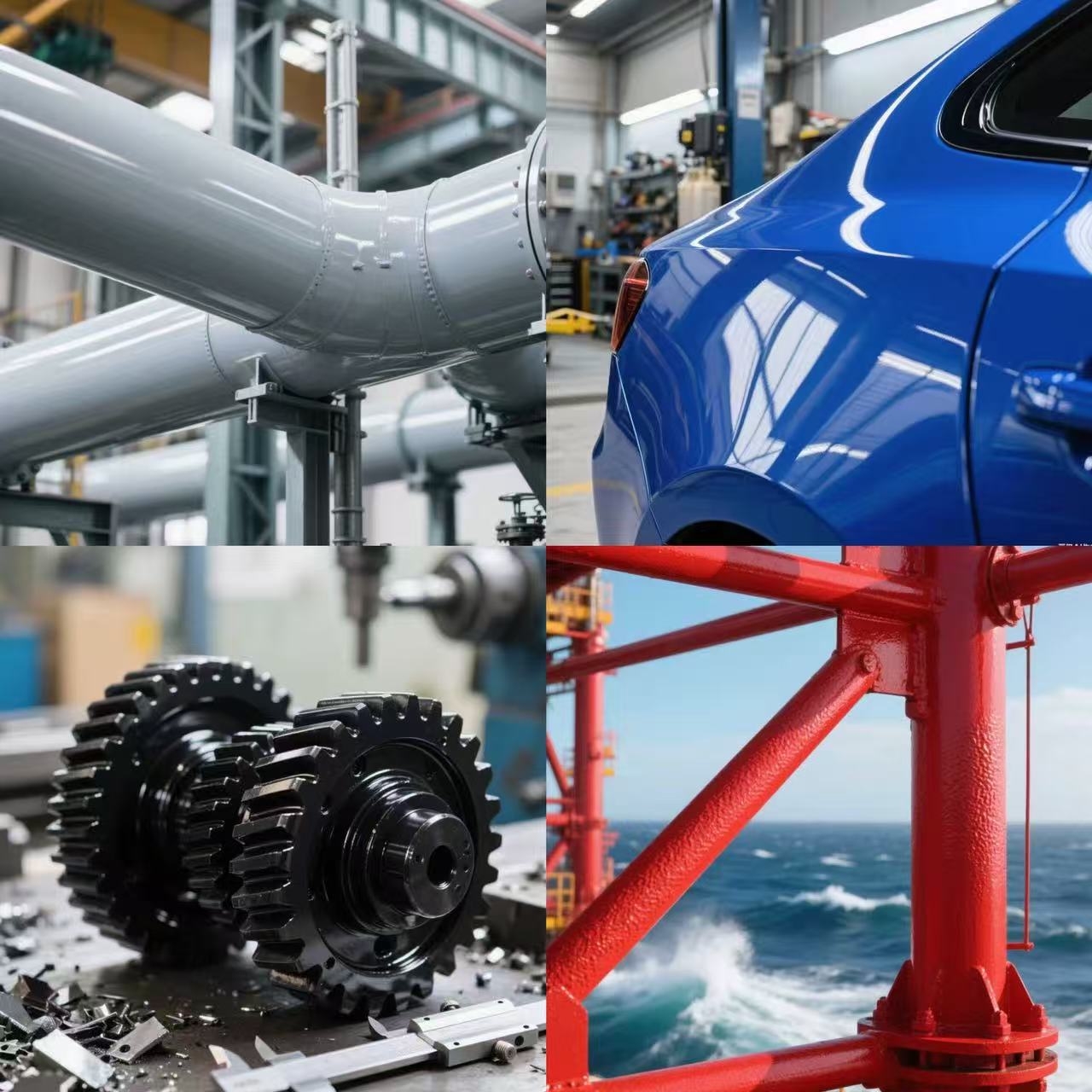
◊ Industrial Coatings: Widely used in formulating industrial paints for general industrial equipment (such as pumps, valves, and conveyor systems). These paints, enhanced by thermal-setting acrylic resin, offer reliable protection against mechanical wear and environmental factors, while also providing decorative value that enhances the professional appearance of industrial products.
- ◊ Automotive Machinery: Applied in the coating of automotive parts, including engine components (e.g., cylinder heads), chassis parts, and body panels. The coatings not only shield these parts from corrosion and wear caused by road debris and weather but also contribute to the overall aesthetic of the vehicle with a smooth, consistent finish.
- ◊ Anti-Corrosion Coatings: Ideal for anti-corrosion coatings in various industries, such as protecting metal structures in chemical plants, marine vessels (exposed to saltwater), and infrastructure (like pipelines and storage tanks). The thermal-setting acrylic resin in these coatings forms a robust barrier that prevents the underlying metal from rusting and corroding, even in highly corrosive environments.
Benefits
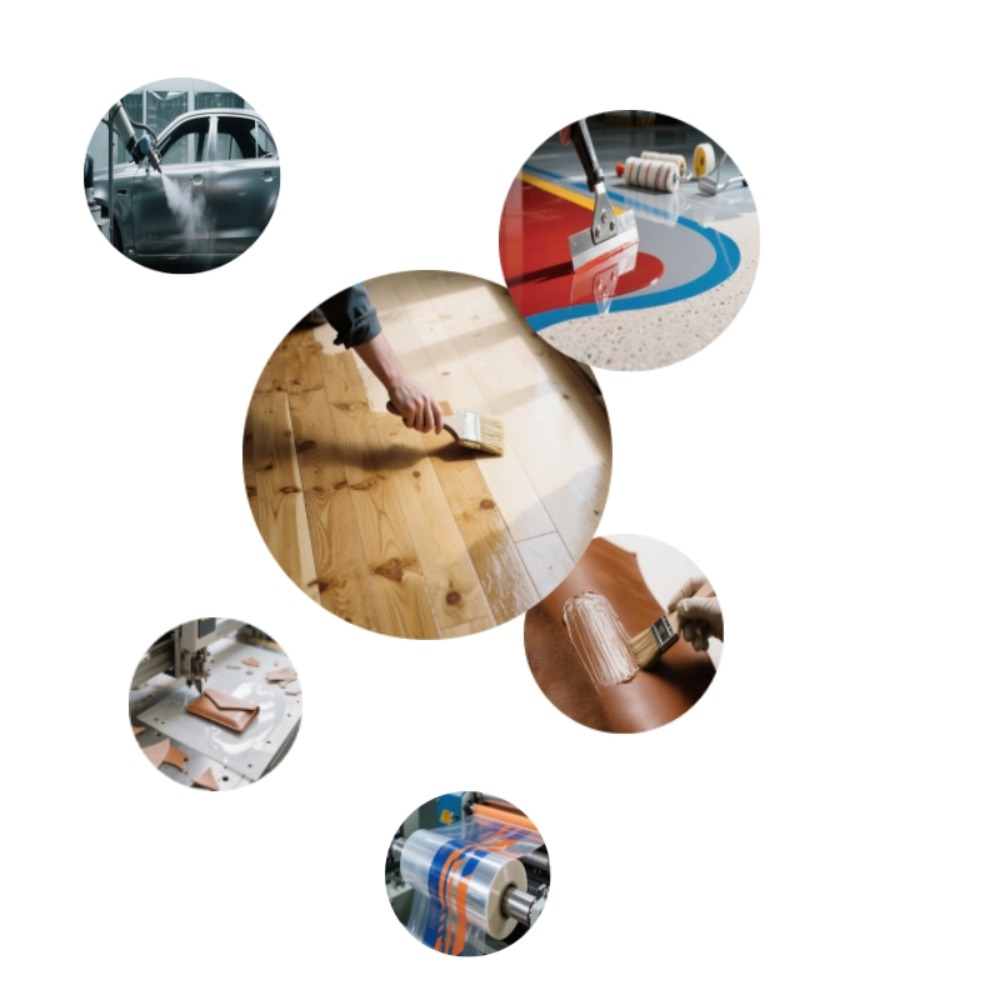
◊Enhanced Durability: The cross-linked structure formed by the thermal-setting acrylic resin significantly improves the durability of coatings used in industrial coatings, automotive machinery, and anti-corrosion coatings applications. This durability allows coatings to withstand harsh conditions—including mechanical impact, chemical spills, and extreme temperature fluctuations—for extended periods, reducing the need for frequent recoating and lowering maintenance costs.
◊Improved Performance Consistency: Coatings formulated with these resins deliver consistent performance across different batches and application scenarios. For automotive machinery manufacturers, this means uniform protection for every part; for industrial facilities, it ensures that equipment coatings maintain their function even in varying operational conditions, minimizing unexpected downtime.
◊Strong Substrate Compatibility: The superior adhesion of thermal-setting acrylic resin ensures compatibility with a wide range of substrates commonly used in industrial and automotive applications (such as steel, aluminum, and galvanized metals). This eliminates the need for additional primers in many cases, simplifying the coating process and reducing material costs.
◊Aesthetic Versatility: Beyond protection, these resins enable coatings to achieve a range of aesthetic effects—from high-gloss finishes for automotive body panels to matte or textured finishes for industrial equipment. This versatility allows manufacturers to meet both functional and design requirements, whether creating a sleek look for automotive machinery or a low-reflectivity surface for industrial tools.
◊Efficient Curing Process: Thermal-setting acrylic resins cure efficiently under standard industrial heating conditions, reducing curing time compared to some alternative resin types. For manufacturers of industrial equipment and automotive parts, this shorter curing cycle speeds up production workflows, increasing overall operational efficiency and output.
◊Long-Term Cost Savings: While the initial cost of thermal-setting acrylic resin may be higher than some conventional resins, the long-term savings are substantial. The extended service life of coatings, reduced maintenance needs, and simplified application process all contribute to lower total cost of ownership—especially for industries relying on durable industrial coatings, automotive machinery coatings, and anti-corrosion solutions.
◊Environmental Resilience: The chemical and weather resistance of these resins ensures that coatings remain effective even in challenging environments, such as coastal areas (for marine anti-corrosion coatings) or industrial zones with high pollution levels. This resilience protects valuable assets (like automotive machinery and industrial infrastructure) from premature degradation, preserving their value over time.
-
-